This blog may contain affiliate links and I may earn commission on some of the items you choose to buy, at no additional cost to you.
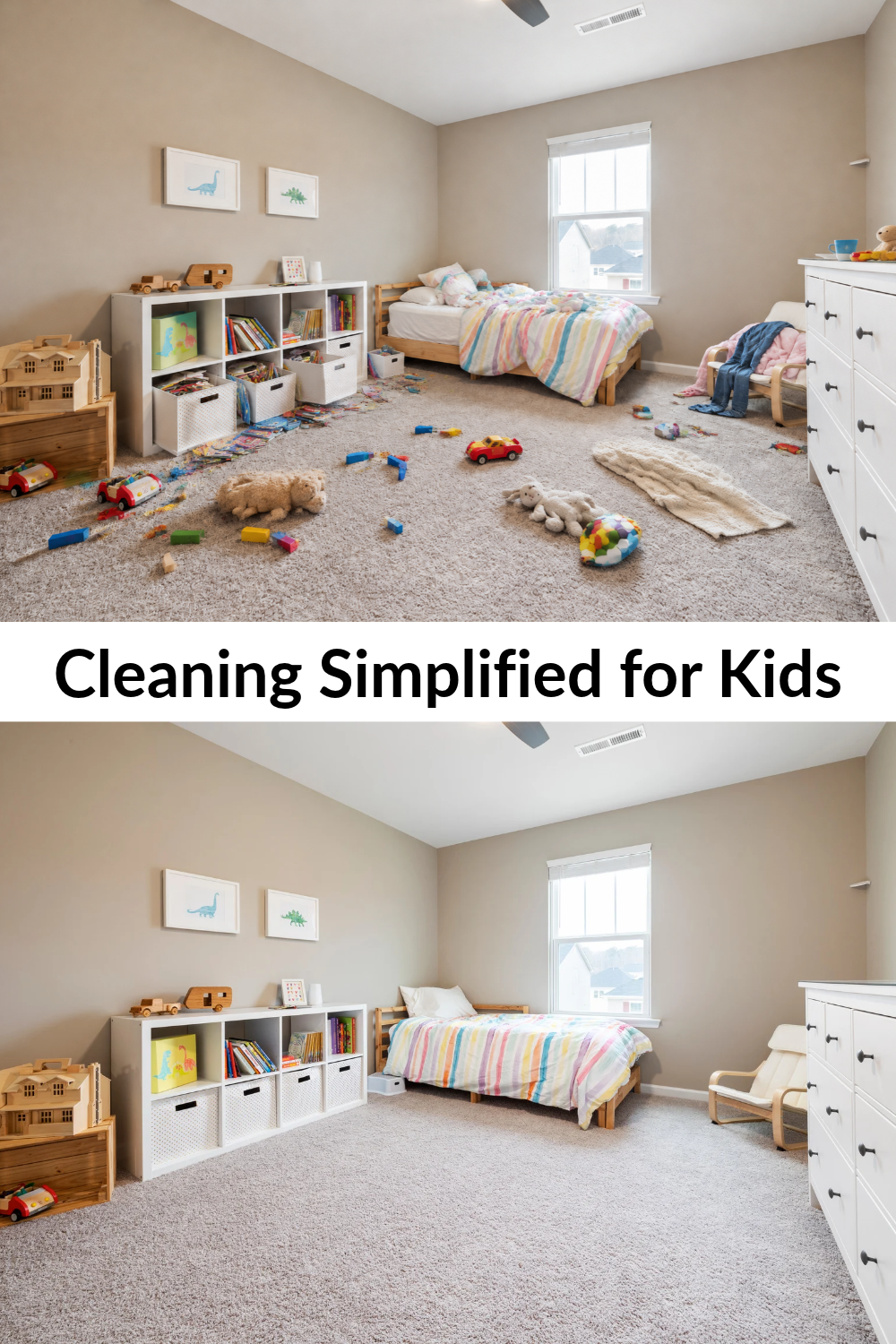
You ask your child to clean their room. They come back and announce it’s done. You walk in and…it’s not. Sound familiar? It’s so frustrating for us as the parents and also for the child(ren).
The problem usually isn’t laziness. It’s that your definition of ‘done’ and theirs are completely different. The good news? Ther’s a simple fix borrowed from Agile project management that solces this for good: the Definition of Done.
When you clearly define what “finished” actually looks like, and break big chores into small achievable tasks, kids complete them the first time far more often. Here’s exactly how to do it.
Why Kids Say “I’m Done” When They’re Not
In software teams, a Definition of Done is a short, agreed upon checklost that removes all ambiguity about when a task is truly complete. This same idea words beautifuly at home.
Most chore frustration happens because the ask is either too vague or too big. “Clean your room” leaves huge room for interpretation. A 10-year old’s version of clean often means “stuff is mostly off the floor.” A parent’s version usually includes the bed being made, surfaces wiped, floor vacuumed, trash emptied, and dirty clothes in the hamper.
When the expectation isn’t spelled out, kids default to the fastest interpretation that looks “good enough” to them.
What Happens When A Chore Is Too Big or Unclear
A scene we are all too familiar with, you tell your child to clean their room. They shove toys in the closet, throw the comforter over the bed, and walk out feeling success. You walk in later and see the real mess. Frustration follows on both sides.
Or the time constraint version. They have to leave for practice in 20 minutes, your child does a quick surface tidy, tells you it’s done, and rushes out the door. When you check later, you’re frustrated they didn’t do it “right,” while they feel they did the best they could with the time available.
Both scenarios share the same root causes:
- The chore was too large
- The expected end result was never clearly defined
- Assumptions filled the gaps
How to Define Exactly What “Done” Looks Like
Stop saying “clean your room.” Instead, define the finished state in plain language
Chore: Pick up your room
Definition of Done:
- All loose items on the floor are picked up and put where they belong
- Bed is made
- Surfaces are dusted
- Floor is vacuumed
- Trash is emptied and a new bag is in the can
- Dirty clothes are in the laundry basket (or taken to the laundry room)
Now there is zero room for “I thought I was done.” Everyone knows exactly what success looks like.
Break Big Chores Into Tiny, Clear Tasks
A reliable rule of thumb, if a chore contains more than one distinct action, it’s too big.
“Clean your room” is actually several small chores:
- Make the bed
- Put away everything on the floor
- Take dirty laundry to the laundry room (or place in hamper)
- Dust surfaces
- Vacuum the floor
- Empty the trash
- When each one of these stands alone with its own clear Definition of Done, kids finish them completely and far more often. Younger children especially thrive with short, concrete tasks.
Age Tip:
- Ages 4-7: Keep Definitions of Done to 2-4 very specific steps and use pictures or simple checklists
- Ages 8+: Involve them in writing the Definition of Done. Ownership dramatically improves follow through and gives them a voice
Put the Definitions Where Kids Can See Them (Digital Calendar, Board, or App)
You don’t want to recite the full checklist every single time. That would drive everyone mad. Instead, create a simple system once and let it run on it’s own.
The easiest, low effort, option is a digital family calendar with a tasks feature (Skylight is my favorite because it makes everything visible and reduces the mental load on parents. We have it, use it daily and love it). Load each small chore/task with its Definition of Done and set a schedule. Kids can check them off independently. You also have the option to add a rewards goal for each child.
No digital tool in the budget? A dry-erase board, laminated checklist, or simple chore cards work just as well. You can find budget friendly options in both my Amazon Storefront and my Walmart Storefront.
The key is that the Definition of Done lives somewhere the child can see it without asking you. Over time, this system actually reduces the parental work. You’re no longer the constant reminder or instpector, you’re now the facilitator of a clear process.
Make Chores Less of a Battle
Chores don’t have to feel like punishment. When kids start young with clear, doable tasks and a bit of fun, they build the habit more easily
Try:
- Letting them choose the order of their small tasks
- Turning a timer into a “beat the clock” game
- Pairing a chore with music or a short podcast they like
- Celebrating the first fully complete version with specific praise (“You got every single item on the last, that is exactly what done looks like!”)
For more ideas, check out my Guide to Making Chores Fun.
Start Today with 5 Simple Next Steps
- Pick one recurring chore that causes the most “I already did it” arguments in your house
- Sit down, pick 2-3 chores and write a 4-6 item Definition of Done with your child(ren) together (keep it short)
- Break it into the smallest possible tasks if needed
- Put the list somewhere visible, on the fridge, whiteboard, or digital calendar
- Practice once side by side this week, then step back and let them own it
That’s it. Clarity removes most of the friction.
When kids know exactly what “done” means and the tasks are small enough to finish, they complete chores the first time far more often and the daily battle gets quieter.
Don’t be afraid to come together and adjust the definition of done if once you start the chores, you realize a step isn’t clear, isn’t necessary etc. To be Agile, is to be flexible and always adjusting where needing.
Want more practical ways to bring simple Agile systems into your home? Grab my starter guide in the store and join the email list for ongoing tips that actually reduce the mental load.
NEXT READ
Clear expectations only work when the task is realistic for your child’s age. Check out my other blog post to give you some ideas on what chores are most appropriate for your child each step of the way! Age Appropriate Responsibilities for Kids
Take Your Agile Home Management to the Next Level
Are you inspired to bring more agile practices into your home management? If you’re ready to transform your household tasks into a well-organized, efficient system, I’ve got just the tool for you!
Introducing “Mastering Your Home Backlog” – your comprehensive guide to creating a master household task list using Agile principles. This electronic document is packed with strategies, tips, and step-by-step instructions to help you:
- Identify and prioritize all your household tasks
- Break down big projects into manageable chunks
- Estimate effort more accurately
- Involve the whole family in home management
- Adapt to changes and unexpected challenges with ease
Whether you’re new to Agile or looking to refine your existing system, “Mastering Your Home Backlog” will help you bring order and light to the visible and invisible tasks and create a more efficient household focused on shared responsibilities. Ready to revolutionize your home management? Get your copy of “Mastering Your Home Backlog” today and start your journey towards a balanced, equitable home life!




Leave a Reply